Easy Crochet Lamb Amigurumi: Free Beginner Pattern
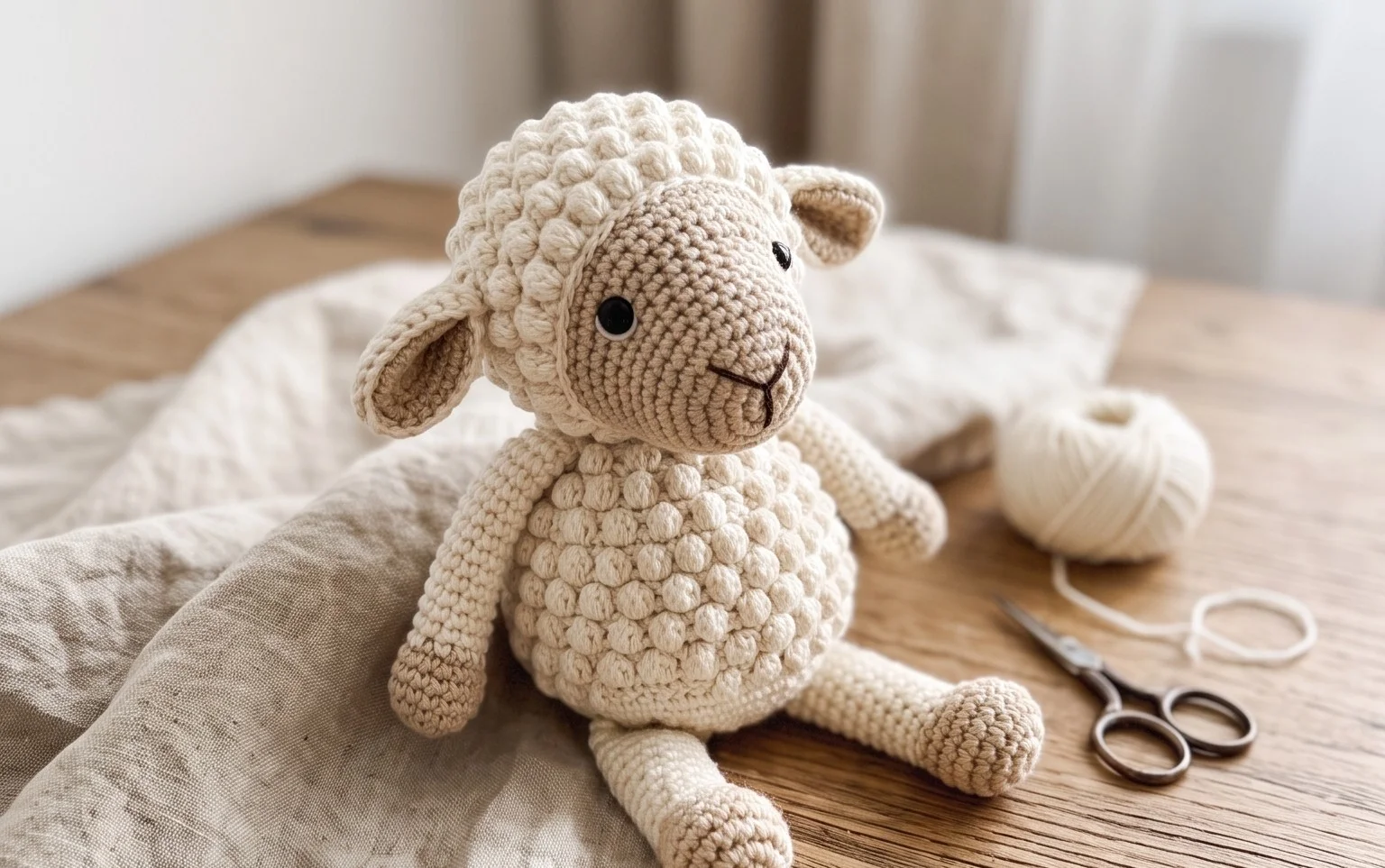
A small, soft crochet lamb with a textured bobble-stitch coat sits comfortably in the palm of your hand, offering a sense of calm that only handmade toys provide. These creatures feel firm yet huggable, making them a thoughtful gift for a new baby or a charming addition to a bookshelf display. You will find that working on these sheep builds confidence in managing stitch tension while creating rounded 3D shapes. This project relies on the simple magic ring technique to start, followed by basic increases and decreases that give the toy its distinctive, rounded body shape and playful posture.
Why You’ll Love This Pattern
This beginner-friendly crochet coaster pattern provides an ideal introduction to working in the round. Because these coasters are small, you can finish a full set of four in a single evening, making them an excellent choice for last-minute housewarming gifts. The design relies on basic stitches that create a dense, functional fabric capable of protecting your furniture from condensation and heat. You will find this pattern particularly useful for using up small amounts of leftover cotton yarn from larger projects.
I managed to whip up a matching set of these for my dining table in just a couple of hours. The instructions are very clear for someone like me who is still learning how to keep a flat circle from curling.
— Sarah, hobbyist crafter
Pattern Overview & Skill Level
- Skill Level: Beginner
- Approximate Time: 30 minutes per coaster
- Construction: Working in continuous rounds using a magic ring for a seamless center
- Finished Dimensions & Sizing: 4 inches in diameter
Materials & Supplies Needed
- Yarn: Worsted weight (#4) 100% cotton yarn, approximately 15 yards per coaster. Cotton is necessary for its absorbency and heat resistance.
- Hook Size: 5.0 mm / H-8
- Notions: Tapestry needle for weaving in ends, scissors, and a stitch marker to track the start of rounds.
- Safe yarn substitutions: You may use an acrylic-cotton blend, though pure cotton remains the best choice for coasters because synthetic fibers can melt if exposed to hot mugs. Using a lighter weight yarn will result in a smaller coaster, while a heavier yarn will require a larger hook to prevent the fabric from becoming too stiff.
Stitch Guide & Abbreviations (US Terms)
- MR: Magic Ring
- ch: Chain
- st/sts: Stitch/Stitches
- sc: Single crochet
- inc: Increase (work 2 sc in the same stitch)
- sl st: Slip stitch
- Rnd: Round
Step-by-Step Pattern Instructions
Coaster Body
- Rnd 1: Start with a MR. Work 6 sc into the ring. Pull the tail tight to close the center. (6 sts)
- Rnd 2: Work 2 sc in each st around. (12 sts)
- Rnd 3: *1 sc in next st, inc in next st; repeat from * around. (18 sts)
- Rnd 4: *1 sc in each of next 2 sts, inc in next st; repeat from * around. (24 sts)
- Rnd 5: *1 sc in each of next 3 sts, inc in next st; repeat from * around. (30 sts)
- Rnd 6: *1 sc in each of next 4 sts, inc in next st; repeat from * around. (36 sts)
- Rnd 7: 1 sc in each st around. Join with a sl st to the first sc of the round. (36 sts)
Finishing
Fasten off your yarn, leaving a 6-inch tail for weaving. Pull the yarn tail through the final loop. Use your tapestry needle to weave the tail through the back loops of the final round to secure it firmly. Trim any excess yarn close to the fabric, being careful not to cut your stitches.
Care & Washing Instructions
- Machine wash on a gentle cycle in cool water with like colors.
- Reshape the coaster by hand while damp to ensure it remains perfectly flat.
- Lay flat to air dry on a towel, as machine drying can cause the cotton to shrink.
Pro Tips & Common Mistakes to Avoid
Maintain consistent tension throughout the project to keep the coaster flat; if your stitches are too tight, the coaster will cup inward, and if they are too loose, it will ruffle. Always place a stitch marker in the first stitch of every round to avoid losing your place. Weave your ends in diagonally across the back of the stitches to ensure they remain hidden and do not poke out after repeated use. If you want to make a larger coaster for a teapot, add more increase rounds, such as 1 sc in each of next 5 sts, inc in next st for the next round, noting that this will consume significantly more yarn.
Frequently Asked Questions
Can I use wool yarn for these coasters?
Wool is not recommended for coasters. It is not as absorbent as cotton and can felt or lose its shape when exposed to the moisture of a cold glass or the heat of a coffee mug.
How do I keep the circle from ruffling at the edges?
Ruffling usually indicates that you are increasing too frequently. Ensure you are following the stitch count for each round precisely; if the work starts to look wavy, check that you did not add an extra increase by mistake.
Is this pattern suitable for someone who has never held a crochet hook?
Yes, this is an ideal first project. It covers the magic ring and basic increases, which are the foundations of almost all amigurumi and circular crochet work.
May I sell the coasters I make from this pattern?
You are welcome to sell finished items made from this pattern, provided you credit the designer and use your own photographs for the product listing. Mass production is not permitted.
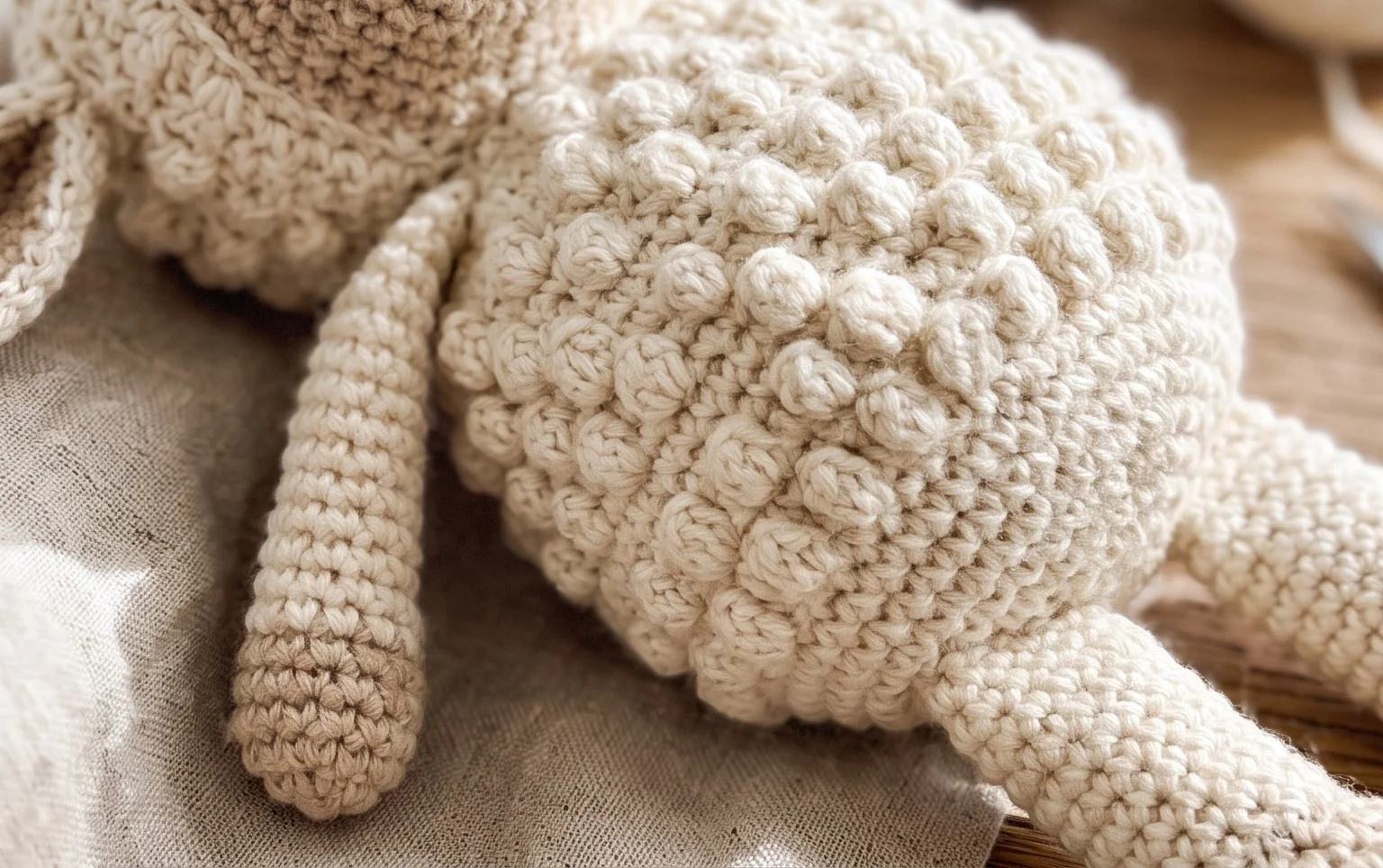
Your finished woolly friend will stand proudly on your desk or cradle perfectly in a child’s hands after you finish the final embroidery details. You can experiment with different yarn weights to produce a miniature version for a keychain or use bulky chenille yarn for a giant stuffed companion that feels like a pillow. Sharing a photo of your completed creation helps other makers find inspiration for their own yarn stash. Visit my main page for more free animal designs to continue your collection.